Why Sung Jinwoo Kills the Tension in Solo Leveling: 2026 update
Why Sung Jinwoo Kills the Tension in Solo Leveling
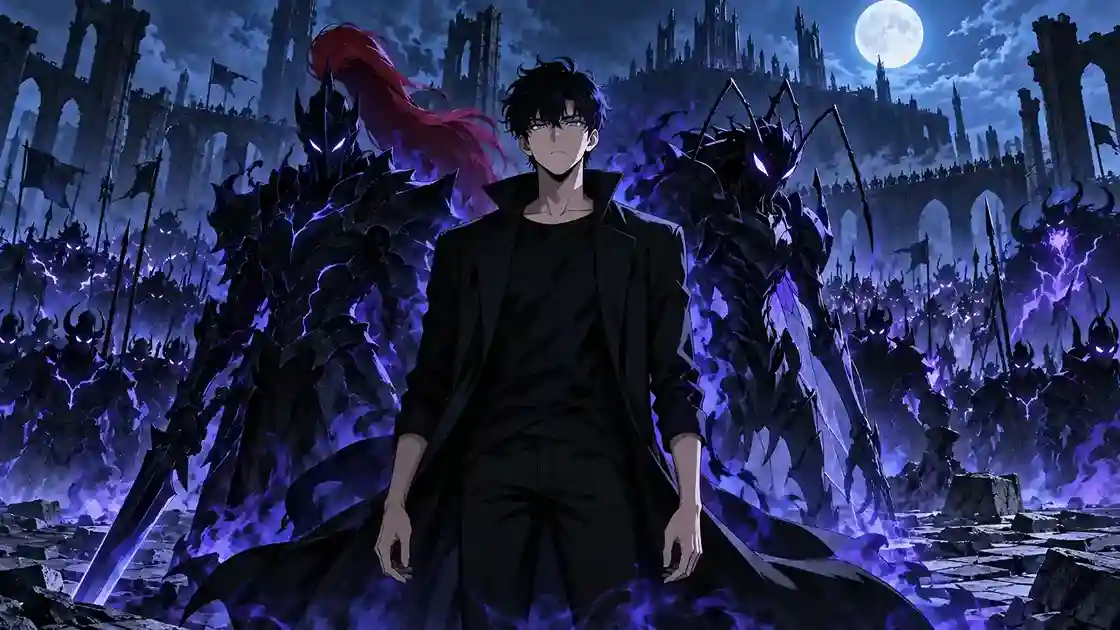
Quick answer: Sung Jinwoo becomes so powerful that narrative stakes evaporate. With an effectively infinite shadow army, personal danger and suspense fade. This piece outlines six lore-grounded fixes for the novel, manga, and anime.
Introduction: the power-fantasy shift
Solo Leveling begins as tight survival fiction. A weak hunter faces real death in dungeons, so every win feels earned.
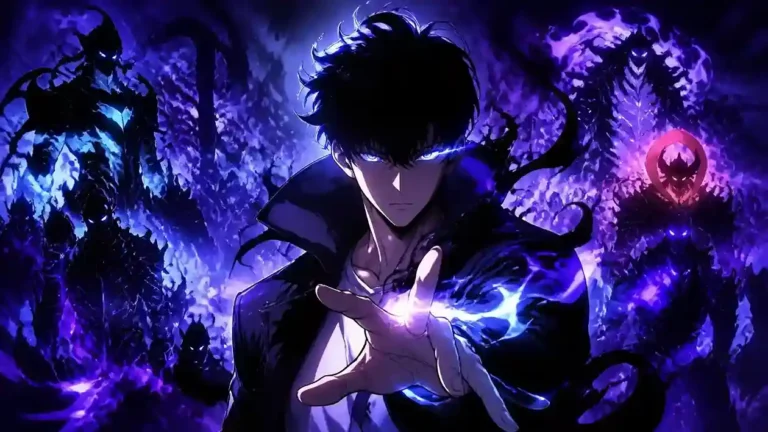
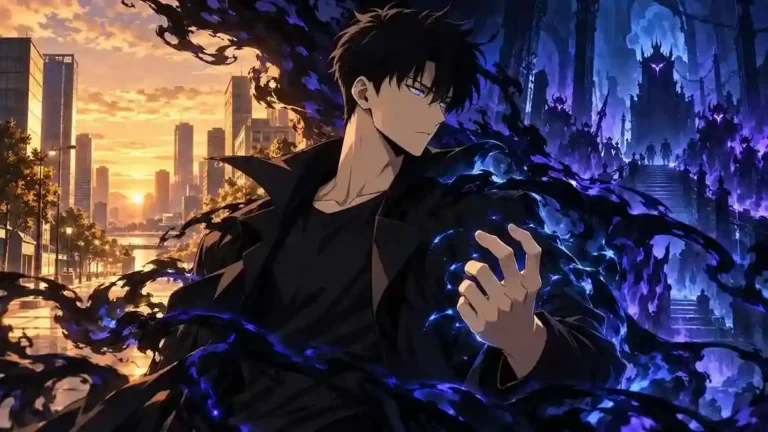
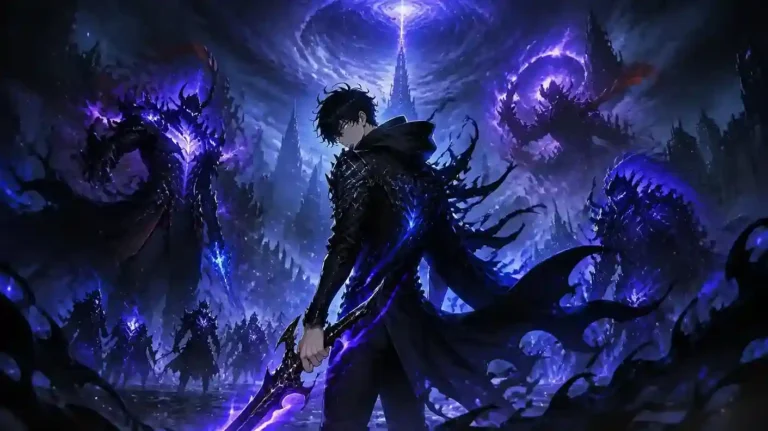
But when Jinwoo gains the ability to summon countless shadows, the story pivots. The question stops being “Will he survive?” and becomes “Will the world survive his battles?” That pivot drains suspense.
Where narrative tension died
Mechanics of collapse
The leveling system guarantees steady growth. Early dangers like stamina and injury matter. Later, Shadow Extraction removes those costs.
When power becomes a safety net, victories feel inevitable rather than earned.
- Early risk: limited stamina, real injury, narrow escapes.
- Late safety: near-infinite shadows, low personal cost, emotional distance.
From personal to global stakes
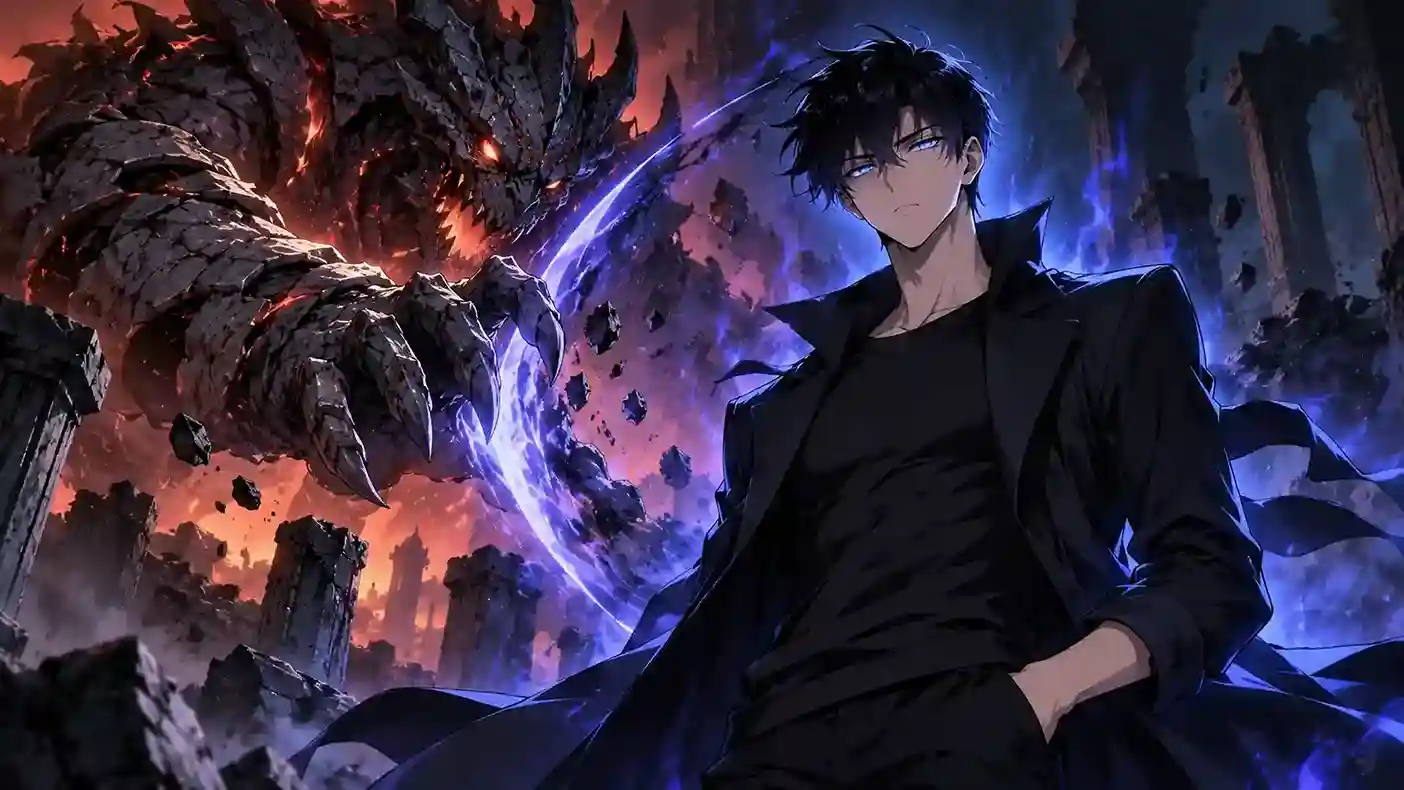
The story shifts to world-ending threats. But if Jinwoo cannot fail, the world never truly feels threatened.
Other characters lose agency and become background to Jinwoo’s cleanup efforts.
Isolation and emotional cost
The power gap isolates Jinwoo. He cannot relate to most hunters or be honest with loved ones without creating danger.
Six lore-grounded mechanical fixes
These changes preserve lore while restoring meaningful choices and consequences.
- Shadow corruption: mass summoning damages mind or body over time.
- Loyalty decay: powerful shadows resist or defect, forcing negotiation.
- Irreversible cost: summoning permanently shortens lifespan or humanity.
- System caps: limits placed by previous monarchs prevent unchecked scaling.
- Long cooldowns: devastating abilities require downtime and planning.
- Multi-front threats: political or dimensional problems shadows can’t solve alone.
| Fix | Lore Consistency | Narrative Impact | Difficulty |
|---|---|---|---|
| Shadow Corruption | High | Converts power into choice | Medium |
| Loyalty Decay | Medium | Internal conflict | Medium-High |
| System Caps / Cooldowns | High | Forces strategy | Low |
| Multi-Front Conflicts | Medium | Diversifies threats | High |
Character-driven fixes: psychology over physics
Emphasize the emotional cost of command. Make the burden real and lasting.
Weaponizing isolation
Put Jinwoo in positions where honesty endangers loved ones. Let him lose relationships because of power.
Burden of command
Show collateral damage by shadows. Make consequences shape his self-image and alliances.
Trauma as vulnerability
PTSD, panic attacks, and survivor’s guilt can create meaningful, unpredictable moments even for an overpowered hero.
Antagonists and worldbuilding that challenge power
Introduce enemies or systems that bypass shadows to force non-combat solutions.
Enemies immune to shadows
A primordial being partially outside reality could force Jinwoo to innovate or depend on allies.
Institutional opposition
Governments and organizations can act against Jinwoo politically, making combat ineffective and risky.
Adaptation and editorial choices
The anime can restore tension through pacing and visual storytelling without major plot changes.
Pacing and visual emphasis
- Extend preparatory scenes and moments of doubt.
- Use color and composition to reflect isolation and cost.
- Show consequences and collateral damage in detail.
Precedent
| Series | Technique | Result |
|---|---|---|
| One Punch Man | Visualizing emptiness | Easy wins feel hollow |
| Naruto | Relationship-focused fillers | Power grounded in bonds |
| Bleach | Battle reflection | Emotional weight in combat |
Frequently Asked Questions
His power growth removes meaningful stakes. With a near-infinite shadow army, conflicts often lack real danger.
It is mainly a source-material choice, though adaptations can emphasize consequence and psychology to regain tension.
Yes—through pacing, added scenes, and visual emphasis on cost and isolation. Those fixes don’t require rewriting core mechanics.
Emphasizing emotional stakes and consequences—slower pacing, reflective scenes, and showing collateral damage.
Conclusion
Jinwoo’s problem isn’t raw power. It’s costless power. To restore tension, the story needs consequence, choice, and sacrifice.
With targeted mechanical, character, or editorial changes, Solo Leveling can keep its power fantasy while making victories feel earned again.